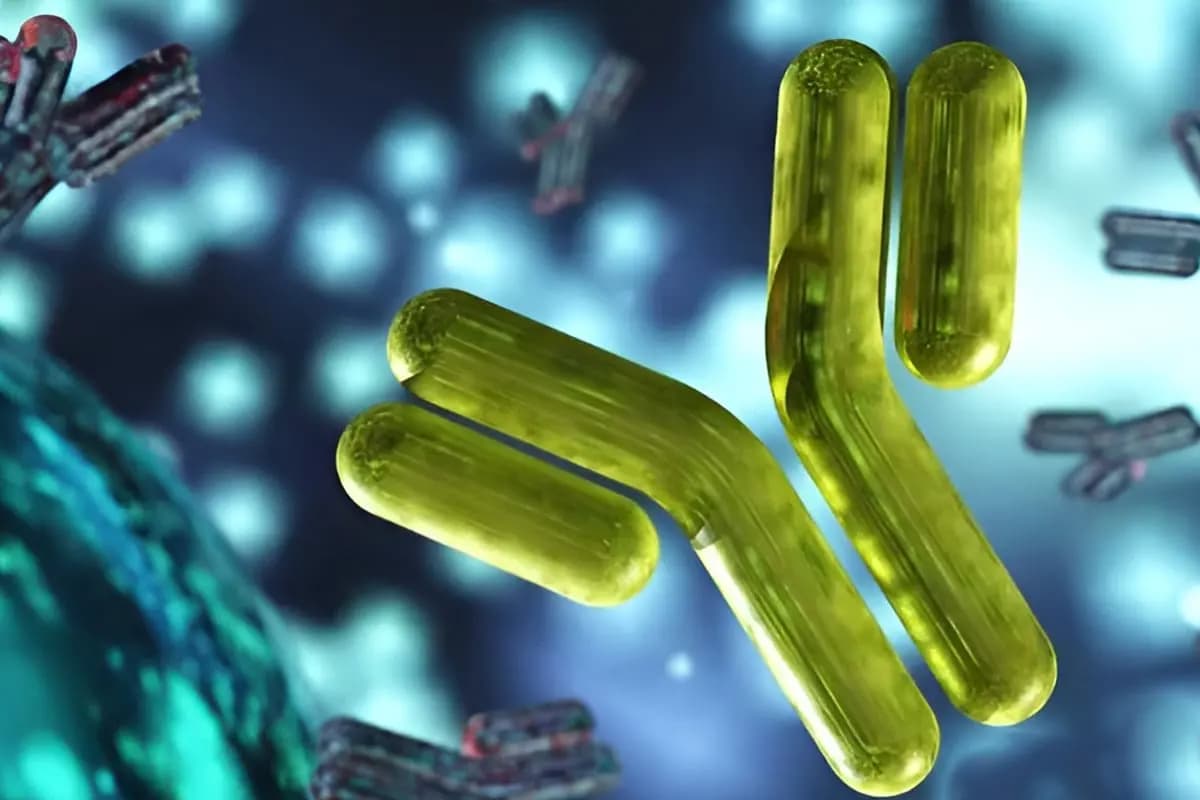
Effective antibody programs start with antigen design. Our scientists review protein sequence, predicted accessibility and practical synthesis constraints to recommend peptide epitopes.
Designed antigens can proceed directly into custom peptide synthesis, conjugation and antibody production. A cysteine for conjugation, or a terminal spacer, should be decided before the peptide is made.
We will say when a peptide is a poor immunogen—highly hydrophobic, glycosylated in the native protein, or buried—rather than synthesizing it only because it was requested.
Design is not a promise of titer. It is a way to avoid epitopes that cannot be made, cannot be conjugated or cannot be distinguished from the carrier in the screen.
If the native epitope is discontinuous, a linear peptide is the wrong tool. In that case a recombinant protein immunogen, discussed under protein services, is the honest recommendation.
What we review
Length, hydrophilicity, cysteine placement, predicted surface exposure and overlap with known glycosylation or phosphorylation sites. We also check that the peptide can be made at a purity that is useful for conjugation.
Conjugation handle
A terminal cysteine is common for maleimide coupling to KLH. An N-terminal spacer (Ahx or a short PEG) can keep the epitope away from the carrier. Those choices change the sequence that is synthesized; they are not afterthoughts.
From design to production
Once the epitope is agreed, the same sequence can enter custom peptide synthesis, antigenic peptide conjugation and either polyclonal or monoclonal production. Keep the screening peptide in the same inquiry.