
Blog
Technical notes rewritten for researchers using ChinaPeptides services.
August 30, 2026
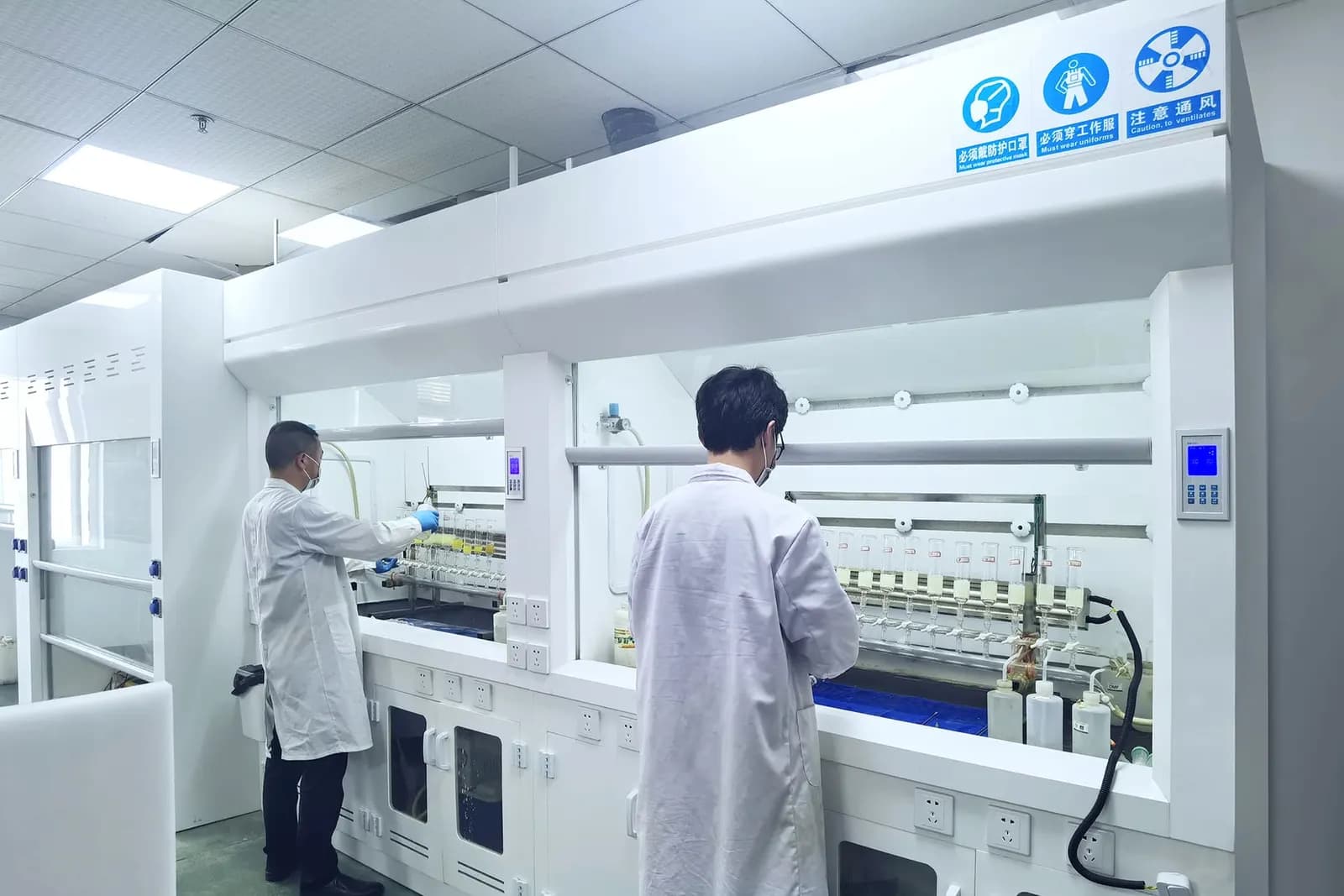
LC-MS, NMR and MALDI-TOF for Peptide Characterization
HPLC area percent, electrospray LC-MS, MALDI-TOF mass and NMR answer different questions. This guide maps those methods for research peptides and notes when a dedicated analytical laboratory is the right place to run them.
August 30, 2026
Independent Peptide Analytical Testing: What a Third-Party Laboratory Adds
A manufacturer CoA and an independent laboratory report answer related but different questions. This note explains when a second lab is useful, what to send, and how to read the result without treating it as a product endorsement.
August 30, 2026
Click Chemistry in Peptide Synthesis
Click chemistry can generate substances by joining small azide and alkyne units together, and generate structural diversity in peptides.
August 30, 2026
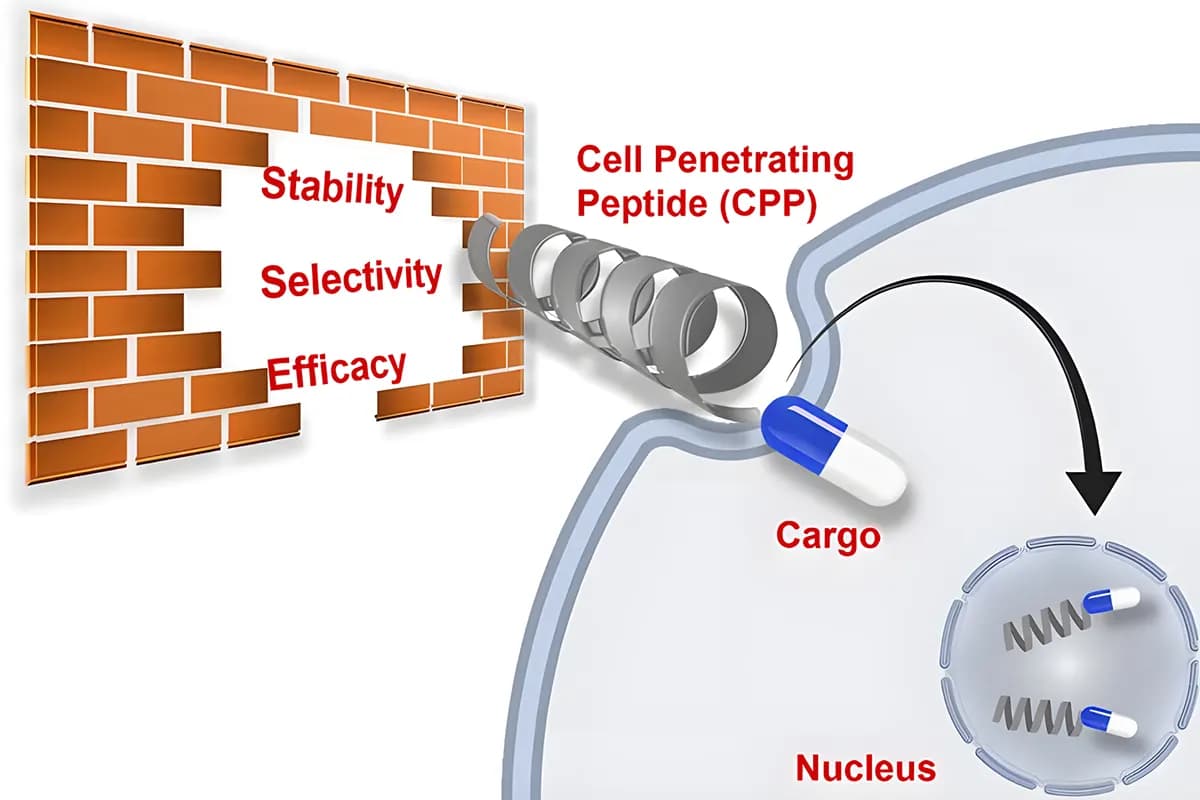
Design Strategy for Cell Penetrating Peptides
Cell-penetrating peptides (CPPs) have the ability to penetrate biological membranes and drive cells to internalize a bioactive payload.
August 30, 2026
Peptide Library Synthesis
There is a growing need for highly efficient synthetic peptide library systems, due to recent developments in the discovery of novel drug targets.
August 30, 2026
Synthesis of Multi Antigenic Peptides
Multiple antigen peptides (MAPs) are a kind of polymeric peptide macromolecules bearing radial branches.
August 30, 2026
Antigenic Peptides Design
Antigenic peptides are synthesized via short amino acid sequences derived from carefully selected native target proteins.
August 30, 2026
Chemical Synthesis of Unnatural Amino Acids
Unnatural amino acids (UAAs) not exist in natural polypeptide chains, so they are considered non-proteinogenic amino acids.
August 30, 2026
RGD Peptide
RGD peptide is a synthetic peptide with the sequence GRGDSPK, which binds to integrins (receptor family of extracellular matrix proteins).
August 30, 2026
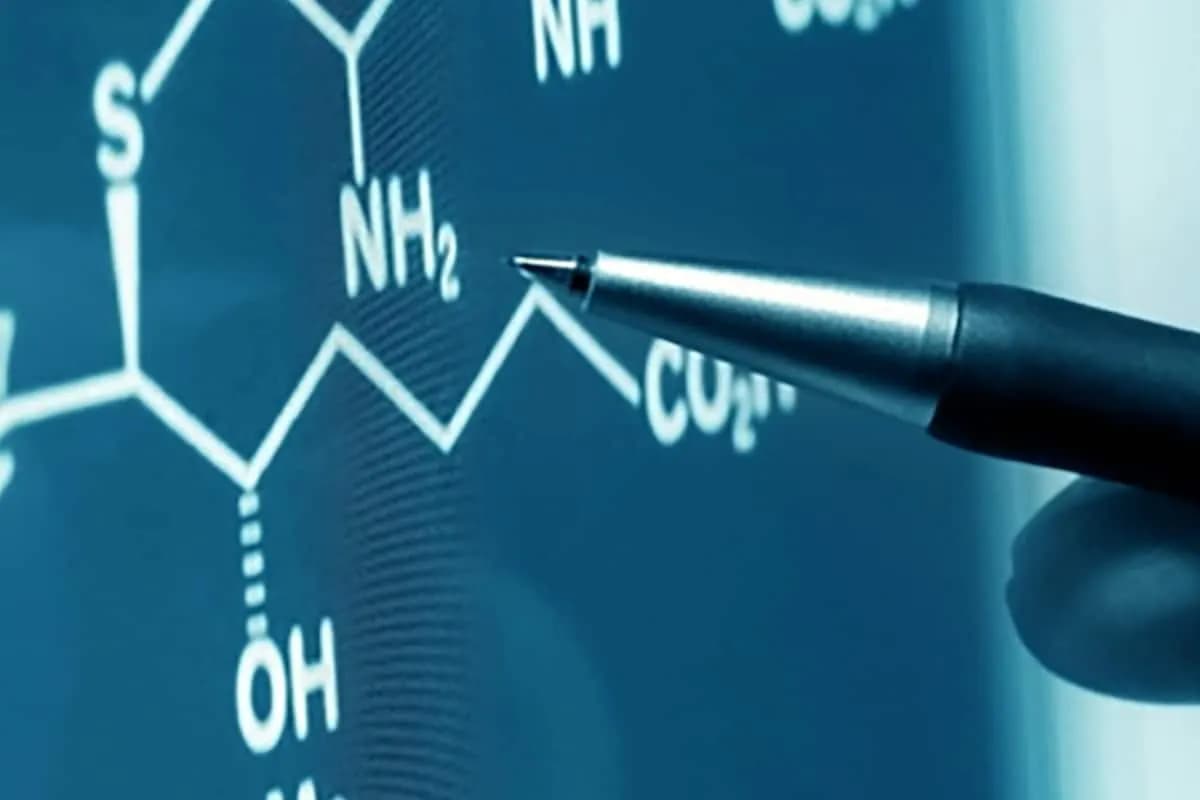
Stapled Peptides for Drug Improvement
Stapled peptides are the new technology to bypass the intrinsic problem of peptide-drugs, this new strategy will increase the cellular uptake.
August 30, 2026
Chemo Enzymatic Peptide Synthesis
Chemo enzymatic peptide synthesis (CEPS) is a cutting-edge technology with the unique versatile engineered enzymes.
August 30, 2026
Glycosylation of Peptides
Glycosylation of peptides is a promising synthesis strategy, it can modulate the physico-chemical properties of peptide drugs.
August 30, 2026
AMPs Introduction
Antimicrobial peptides are class of small peptides with widely natural exist, AMPs are the important part of the innate immune system.
August 30, 2026
Fluorescent Peptides for Research
The advent platform of fluorescent peptides can enable advance research in cell system researches, fluorescence or FRET energy transfer.
August 30, 2026
Peptide Macrocyclization Strategies
Macro-cyclic peptides are a critical molecular format, these peptides combine advantages of small-molecule and biological therapeutics.
August 30, 2026
Amide Bond Formation in Cyclization
There are three main peptide coupling reagents for amide formation: carbodiimides, phosphonium, and aminium−/uronium–iminium reagents.
August 30, 2026
Optimize Peptoid Synthesis
ChinaPeptides can synthesize polypeptoids with various modifications for selected synthetic targets.
August 30, 2026
Lipopeptides and Lipoglycopeptides
Lipopeptides and lipoglycopeptides are antibiotic classes with activity against gram-positive bacteria on the bacteria cell wall.
August 30, 2026
C-C Bond Cyclic Peptide Formation
The new carbon-carbon bond will form by reductive elimination. Most typical C-C cross couplings are used to synthesize peptide macrocycles.
August 18, 2026
How to Read a Peptide Certificate of Analysis
A CoA is a set of measurements, not a marketing page. This walkthrough shows how to read HPLC, mass, quantity, salt, and the tests that were never run.
August 12, 2026
Peptide Storage and Stability Guide
Lyophilized peptide at freezer temperature is the default. Moisture, oxygen, light, and freeze–thaw cycles are the usual reasons a good CoA becomes a bad assay six months later.
August 5, 2026
Peptide Solubility: Factors and Optimization
Solubility is a property of sequence, salt form, pH, and how you add solvent. This guide gives a decision order that avoids destroying a milligram vial in the first attempt.
July 29, 2026
Unnatural Amino Acids in Peptide Synthesis
D-residues, N-methyl amino acids, Aib, norleucine, and click handles change coupling kinetics and protecting-group maps. Specify the monomer, not only a one-letter code.

July 22, 2026
Peptide Library Design and Synthesis
Libraries are experimental designs first: alanine scans, positional scanning, overlapping fragments, and the quality-control limits of mixtures versus discrete wells.
July 15, 2026
PEGylation of Peptides
PEG changes hydrodynamic size, solubility, and chromatography. This guide covers site, length, discrete versus polydisperse PEG, and how to analyze the conjugate.
July 8, 2026
Biotinylated Peptides: Design and Applications
Biotin is a handle, not a neutral tag. Spacer length, attachment site, and valency decide whether streptavidin presentation helps the experiment or hides the epitope.
July 1, 2026
FITC vs TAMRA vs Cy5 for Peptide Labeling
A practical comparison of three common peptide dyes: spectra, pH sensitivity, photostability, conjugation chemistry, and how dye hydrophobicity changes the peptide.
June 24, 2026
Fluorescent Peptide Labeling Guide
Where to attach a dye, how linkers and residual NHS esters create artifacts, and how environment and quenching change what the microscope actually sees.
June 17, 2026
Peptide Cyclization: Disulfide vs Head-to-Tail
Disulfide and head-to-tail cycles are different molecules. This comparison covers regioselectivity, dilution rules, stability in reducing buffers, and how to choose from the assay.
June 10, 2026
Cyclic Peptide Synthesis Methods
A map of how research cyclic peptides are made—disulfide, lactam, head-to-tail, and click—and how to confirm that the ring you received is the ring you drew.
June 3, 2026
Difficult Peptide Synthesis: Common Problems and Solutions
How chemists flag a hostile sequence—aggregation, aspartimide, hindered couplings—and which fixes belong in the method versus the sequence.
May 27, 2026
Long Peptide Synthesis: Challenges and Strategies
Why linear SPPS degrades after the first few dozen residues, and how fragment condensation, ligation, and purification strategy change for long chains.
May 20, 2026
How to Design a Custom Peptide
Design the peptide from the experiment backward: length, termini, charge, cysteine placement, and the handles you will actually use in the assay.
May 13, 2026
LC-MS Analysis in Peptide Characterization
Mass spectrometry confirms formula, not HPLC purity. Learn expected-mass arithmetic, adducts, deletion signatures, and how to read a disagreement with the UV trace.
May 6, 2026
HPLC Analysis for Peptide Purity
How reverse-phase HPLC is set up for peptides, how to read a release chromatogram, and which artifacts are not real impurities.
April 29, 2026
How to Choose Peptide Purity for Research
HPLC percent is a method-dependent risk number. This guide matches crude, 95%, and 98% grades to assays without treating higher purity as automatically better.
April 22, 2026
Fmoc vs Boc Peptide Synthesis
A side-by-side look at Fmoc and Boc SPPS: deprotection chemistry, side-chain maps, acid exposure, and when a Boc or hybrid route is still the better quote.
April 15, 2026
How Solid Phase Peptide Synthesis Works
A practical walk through one SPPS cycle—resin, deprotection, coupling, cleavage—and the failure modes that show up later on HPLC.
April 8, 2026
Complete Guide to Custom Peptide Synthesis
A working specification for ordering a research peptide: what chemists review before synthesis, how purity and salt form are defined, and which details change the route.